
Table of Contents
Inverter Generators Explained
Portable power has come a long way. Where generators once meant loud engines, dirty power, and a “don’t stand too close” warning, modern inverter generators have quietly rewritten the rules. They’re smarter, cleaner, and far more versatile—so much so that they’ve become the go-to choice for campers, homeowners, RV users, and even professionals with sensitive equipment.
In this guide, we’ll break inverter generators down in plain English. What they are, how they work, why people love them, and the few drawbacks worth knowing about. By the end, you’ll know whether an inverter generator is genuinely worth the investment for your needs.
What Is an Inverter Generator?
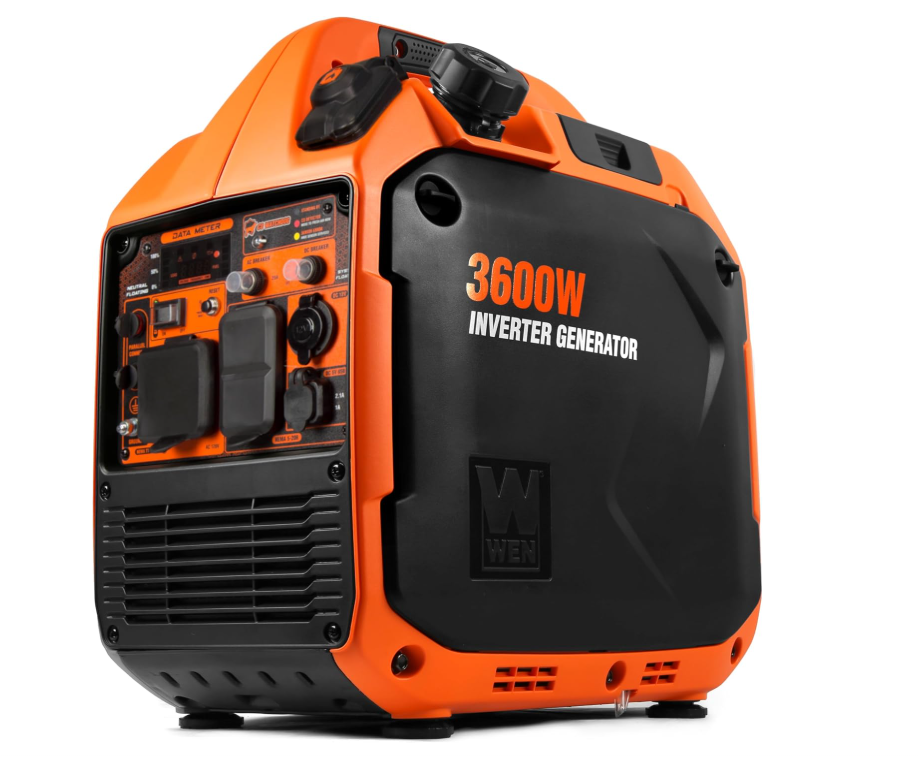
At a glance, an inverter generator looks like a compact, enclosed version of a traditional portable generator. But the real difference isn’t the shape—it’s what happens to the electricity inside the machine.
The Simple Definition
An inverter generator is a generator that produces electricity in multiple steps, then “cleans” and stabilizes that power before it reaches your devices.
That extra step makes all the difference.
Traditional generators produce raw AC (alternating current) power directly from the engine’s rotation. Inverter generators, on the other hand, take a more refined approach.
How Inverter Generators Work (Without the Headache)
Here’s the process in human terms:
- The engine generates AC power
- That AC power is converted into DC (direct current)
- The DC power is then inverted back into AC power
- The final output is clean, stable, and precisely controlled
This final step—inversion—is where inverter generators shine. It allows the generator to deliver power that closely matches what comes out of a household wall socket.
Why That Matters
Many modern devices—laptops, smartphones, TVs, medical equipment, battery chargers—are sensitive to voltage fluctuations. Dirty or unstable power can shorten their lifespan or damage them outright.
Inverter generators produce low total harmonic distortion (THD), meaning smoother electricity that electronics actually like.
Inverter Generator vs Traditional Generator
Before diving deeper, it helps to understand how inverter generators stack up against conventional models.
Power Quality
- Traditional generators: Raw, fluctuating power
- Inverter generators: Clean, stable, electronics-safe power
Noise Levels
- Traditional generators are often loud and constant
- Inverter generators adjust engine speed based on demand, making them significantly quieter
Fuel Efficiency
- Traditional generators run at a fixed speed
- Inverter generators scale engine output up or down, using only the fuel they need
Portability
- Inverter generators are usually lighter and more compact
- Many feature suitcase-style handles or wheels



The Pros of Inverter Generators
This is where inverter generators really earn their reputation.
Clean, Stable Power for Sensitive Electronics
This is the headline feature.
Inverter generators produce electricity with very low voltage distortion—often under 3%. That’s cleaner than what many homes receive from the grid.
What This Means in Real Life
You can safely power:
- Laptops and tablets
- Smartphones and battery chargers
- Flat-screen TVs
- Gaming consoles
- CPAP machines
- Camera gear and audio equipment
With a traditional generator, plugging in expensive electronics can feel risky. With an inverter generator, it’s business as usual.
Exceptionally Quiet Operation
Noise is one of the biggest reasons people switch to inverter generators.
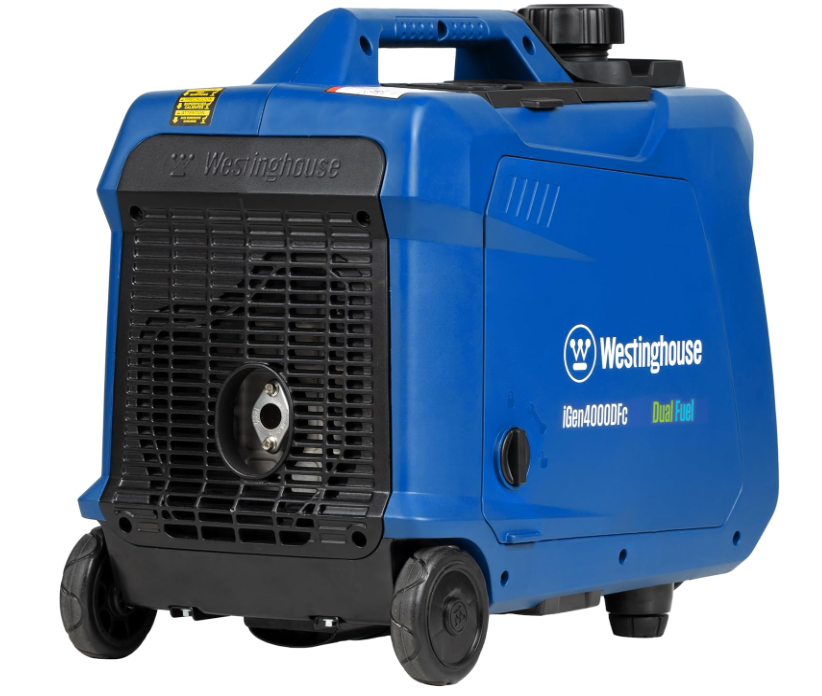
Thanks to variable engine speed and enclosed designs, inverter generators can be shockingly quiet.
Typical Noise Levels
- Many inverter generators operate between 48–60 decibels
- That’s roughly the sound level of a normal conversation
- Traditional generators often exceed 70–80 decibels
Why This Matters
- Campsites often have noise restrictions
- RV parks expect quiet hours
- Home backup use won’t annoy neighbors
- Outdoor events feel more civilized
You can run one while talking next to it—no shouting required.
Superior Fuel Efficiency
Inverter generators don’t waste fuel spinning at full throttle when demand is low.
Smart Engine Throttling
If you’re charging a phone or running a small fridge:
- The engine slows down
- Fuel consumption drops
- Noise decreases
When you add more load:
- The engine ramps up automatically
Real-World Benefits
- Longer run times on smaller fuel tanks
- Fewer refueling stops
- Lower fuel costs over time
This efficiency is especially valuable for camping, off-grid living, and extended power outages.
Compact, Lightweight, and Portable
Inverter generators are designed to move.
Compared to bulky open-frame generators, inverter models:
- Weigh significantly less
- Take up less storage space
- Are easier to load into vehicles
Many popular models can be lifted by one person, making them ideal for:
- Van life
- Tailgating
- Job sites
- Emergency home use
Parallel Capability: Small Now, Big Later
Many inverter generators support parallel operation.
What Does That Mean?
You can connect two compatible inverter generators together using a parallel kit. This allows you to:
- Double your available wattage
- Still enjoy clean power and quiet operation
- Avoid buying a massive generator upfront
This flexibility is a huge plus if your power needs may grow over time.
Environmentally Friendlier Operation
While still fuel-powered, inverter generators are generally:
- More fuel-efficient
- Lower in emissions
- Compliant with stricter environmental standards
Less fuel burned means fewer emissions and a smaller environmental footprint compared to traditional generators doing the same job.

Minor Cons of Inverter Generators (Worth Knowing)
No technology is perfect, and inverter generators do come with a few trade-offs.
Higher Upfront Cost
Inverter generators are more complex internally, and that shows in the price.
- They typically cost more per watt than traditional generators
- Advanced electronics add to manufacturing costs
The Flip Side
You often recoup that cost through:
- Fuel savings
- Reduced maintenance
- Longer equipment lifespan
- Peace of mind when powering electronics
Lower Maximum Power Output (Generally)
Most inverter generators prioritize portability and efficiency over brute force.
What This Means
- They’re excellent for small to medium power needs
- They may struggle with:
- Large central air conditioners
- Whole-house backup (without multiple units)
- Heavy industrial tools
That said, higher-capacity inverter generators do exist—and parallel operation helps bridge the gap.


Are Inverter Generators Worth It?
For many people, the answer is a confident yes.
They’re Ideal If You:
- Use sensitive electronics
- Camp or travel frequently
- Want quiet operation
- Value fuel efficiency
- Need portable, flexible power
They May Not Be Ideal If You:
- Need maximum wattage at the lowest cost
- Don’t care about noise or power quality
- Run heavy industrial equipment exclusively
Common Use Cases for Inverter Generators
Inverter generators shine in situations where quality matters more than raw output.
Camping and Outdoor Adventures
- Quiet enough for nature
- Safe for phones, cameras, and lights
- Lightweight and easy to transport
RV and Van Life
- Clean power for onboard electronics
- Fuel efficiency for long trips
- Parallel options for air conditioners
Home Backup Power
- Keeps essentials running during outages
- Won’t damage modern appliances
- Much quieter than traditional generators
Professional and Creative Work
- Audio/visual production
- Photography and videography
- Mobile offices and job sites
Final Thoughts: The Smarter Generator Choice
Inverter generators represent a shift from “just make power” to “make good power.”
They’re quieter, cleaner, more efficient, and far more electronics-friendly than traditional generators. While they cost a bit more upfront and don’t always deliver massive wattage, the trade-offs are usually worth it for anyone who values reliability and refinement.
If you want power that behaves like it came from the wall—not a roaring engine in the driveway—an inverter generator is hard to beat. Shop around, read reviews and invest in something good!